Atlanta’s hills and red clay make beautiful yards, but they also punish retaining walls. Many failures tie back to two forces: water and movement. The area’s heavy storms load walls with hydrostatic pressure, and expansive clay swells, shrinks, and creeps along steep grades. Heide Contracting sees these conditions across Buckhead, Midtown, Virginia-Highland, Morningside, and beyond. The good news: the causes are predictable, and the fixes are well understood with proper engineering.
Why Georgia’s Red Clay Pushes Walls Out
Georgia red clay holds water. After a storm, that water builds behind a wall and adds significant weight. Without working weep holes, clean gravel backfill, and a French drain, pressure rises fast. Walls tilt or bow, capstones crack, and mortar joints crumble. In summer, the same clay dries and shrinks, opening voids that let soil migrate. Over time, this cycle loosens footings and creates sinkholes behind the wall.
Atlanta’s Piedmont terrain adds another layer. Steep lot grades in 30327, 30305, and 30342 drive lateral movement in the backfill. Unreinforced gravity systems can’t resist these forces for long. Segmental retaining walls (SRW) can perform well, but only with correct geogrid spacing, proper backfill, and a footing set below seasonal movement.
Common Failure Patterns Seen Across Atlanta
Leaning or tilting shows that hydrostatic pressure is winning. Bowing signals inadequate reinforcement or saturated backfill. Timber tie walls often rot from fungus where drainage failed, especially in older sections of Virginia-Highland and Morningside. Masonry walls with shallow footings lose support when erosion exposes the base. Filter fabric that was skipped or clogged allows fines to wash into the drain trench, which later collapses into voids and forms sinkholes.
On sloped sites near Chastain Park and Vinings, runoff concentrates at the top of walls. Without swales, catch basins, and tied-in French drains, this water loads the wall during every storm. Over months, small cracks spread and face courses slip. The pattern is slow at first, then sudden during a heavy rain week.
The Engineering Behind a Lasting Fix
Lasting repairs go beyond cosmetics. They manage water, rebuild a stable mass, and reconnect the wall to the hillside. Heide Contracting focuses on what sits behind the face: drainage, reinforcement, and soil mechanics. The team uses structural engineering methods that meet Georgia building code for walls over 4 feet and match Atlanta’s soil behavior.
A repair plan often starts with relieving pressure. That means clean gravel backfill, functional weep holes, and a French drain set at the heel with proper outlets. Filter fabric keeps fines out of the drain. Where the wall needs more resisting force, geogrid layers tie the face into compacted gravel, turning the wall and backfill into a single gravity system. For timber or masonry that has leaned, Deadman anchors and tie-backs can pull the wall into alignment and hold it there. In large-scale failures, helical anchors reach competent soil deeper in the slope and create a stable anchor point.
What Fails Most Often—and Why
- Drainage failure: Clogged or missing drains trap water. Pressure rises and walls bow. Poor backfill: Dirt or clay behind the wall absorbs water and adds weight. Clean crushed stone is required. Shallow footings: Seasonal swelling and erosion shift the base. Deep, level footings resist movement. Missing reinforcement: SRW without geogrid or with wide grid spacing will creep on steep grades. Aging timber: Rotting ties lose strength and the face lets go under load.
Materials and Systems That Work in Atlanta
Cantilever walls in concrete can perform well when footings are below the active zone and drainage is clean. Segmental retaining walls from brands like Belgard and Keystone Retaining Wall Systems stand up when geogrid spacing matches the surcharge and height. Masonry walls need sound footings, weep holes, and control joints to manage cracks. Gabion baskets work near streams or where water flow is constant. For failing timber, Deadman anchors can extend life, but many older systems need a full rebuild with modern components. Allan Block and Redi-Rock units add mass and engineering detail for taller or high-load sites.
Heide Contracting repairs and reinforces these systems and integrates Simpson Strong-Tie hardware for tie-backs and structural connections. The company’s engineering-first approach gives owners a permanent path instead of a temporary patch.
Signs Your Wall Needs Help Soon
If the face tilts, hydrostatic pressure is overcoming gravity or anchor resistance. If capstones have opened gaps or the wall bows mid-height, reinforcement is lacking. Soil https://pub-3fb81553dec8447e9f78cc13238c2c70.r2.dev/atlanta-retaining-wall-contractors/retaining-wall-contractor.html washing through joints or under the footing points to failed filter fabric or drains. Rotting timber near grade shows water is trapped. These are early warnings. Prompt retaining wall repair in Atlanta can prevent a total rebuild.
How Heide Contracting Restabilizes Failing Walls
Every site gets a Structural Wall Evaluation. The team measures lean, maps cracks, probes backfill, and inspects outlets. Drainage corrections come first. French drains are reset with washed stone and fabric. Weep holes open the face to reduce pressure. Where the wall lacks resistance, geogrid layers are added in staged lifts with compacted stone. For leaning timber or masonry, Deadman anchors or helical anchors tie the structure back into stable soil. Footings that have lost support are rebuilt at proper depth, often with a wider base and improved subgrade.
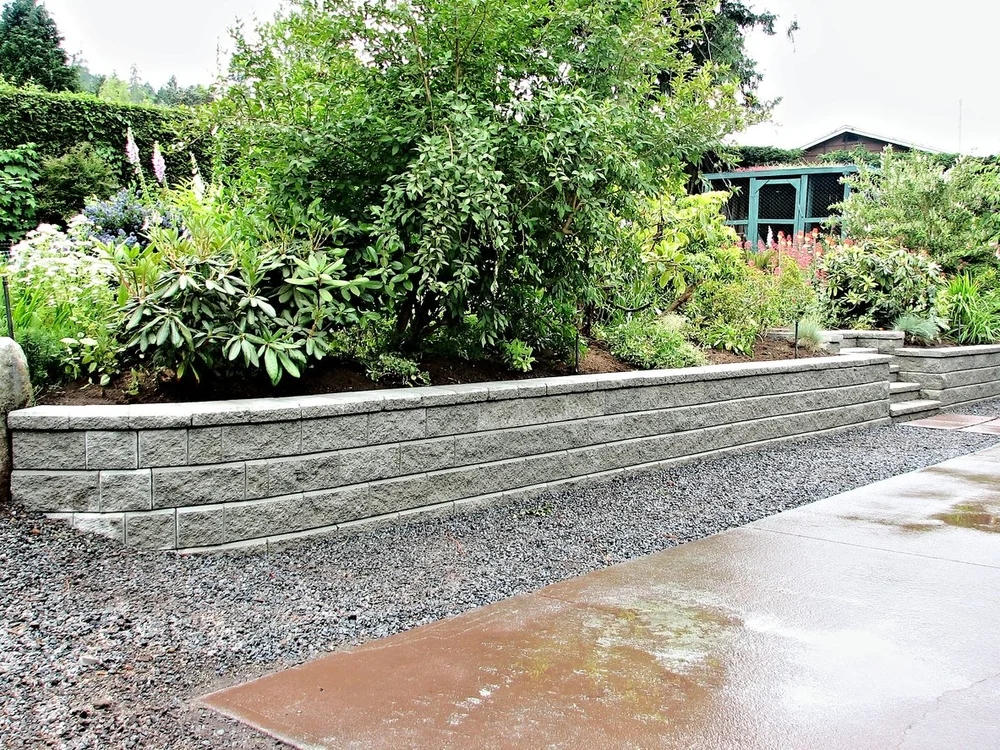
For many clients in Buckhead, Midtown, and Ansley Park, this approach saves the structure and the landscape above it. For walls that have moved beyond recovery, the team designs a replacement with code-compliant geometry, correct grid spacing, and drainage that stays serviceable.
What Makes Atlanta Lots Tricky
The city’s mix of steep ridges and narrow setbacks means walls often sit close to drives, pools, or additions. Surcharges from vehicles or slabs add load the original wall never considered. In 30306 and 30309, historic properties may have shallow stone or brick walls over old fill. In 30327, large estates set on steep grades collect substantial runoff during summer storms. Near Piedmont Park and the Atlanta BeltLine, dense development directs roof and driveway water into shared slopes. Repairs must account for these loads and route water away from the wall and neighbor boundaries.
Typical Repair Components You’ll Hear Discussed
Expect terms like weep holes, French drains, geogrid, tie-backs, Deadman anchors, footings, backfill, and filter fabric. These parts solve specific problems. Weep holes let trapped water escape. French drains collect and route water out of the backfill. Geogrid creates a reinforced soil mass. Tie-backs and helical anchors stabilize leaning sections by connecting to stable soil. Proper footings spread load and sit below the active moisture zone. Clean gravel backfill and fabric prevent fines from clogging drains.
Service Areas and Local Know-How
Heide Contracting handles retaining wall repair in Atlanta and across Fulton County and nearby markets: Sandy Springs, Brookhaven, Decatur, Marietta, Roswell, Dunwoody, and Vinings. Projects range from small garden walls near the High Museum of Art to multi-terrace systems by Bobby Jones Golf Course and the Swan House. The crew understands how seasonal rain affects slopes near the BeltLine and how shade patterns slow drying in Druid Hills and Inman Park.
Serving the luxury estates of 30327 and the historic properties in 30306, the team adapts methods to match site access, existing hardscapes, and permitting needs.
Brands and Systems the Team Repairs
Heide Contracting reinforces Belgard and Keystone segmental systems, repairs Allan Block units, and integrates Simpson Strong-Tie anchors where added strength is needed. For timber tie walls, the crew replaces failed members, adds Deadman anchors, and improves drainage. For masonry, they rebuild footings, add weep holes, and stitch cracks where feasible. Hardscape restoration returns cap alignment, steps, and guard features to working order after the structure is secure.
Code, Permits, and When Engineering Is Required
In Atlanta, walls over 4 feet typically require an engineered plan and a permit. Surcharged walls may require design even at lower heights. Heide Contracting provides a Professional Engineer consultation and delivers repair plans that meet Georgia building code. This avoids stop-work orders and protects property value. For clients in Buckhead and Chastain Park, that step is critical due to steep lot grades and higher structural demands.
Quick Homeowner Checklist Before the Next Storm
- Look for new leaning or fresh bowing along the face. Check for standing water at the base or no flow at drain outlets during rain. Probe soil behind capstones; if it sinks or feels spongy, voids may be present. Tap timber ties; a dull thud can indicate rot or internal failure. Photograph new cracks or movement and date the images.
If any of these appear, schedule a Structural Wall Evaluation. Early retaining wall repair in Atlanta costs far less than a teardown and rebuild.
FAQ: Atlanta Retaining Wall Repair
Do permits apply? In the city, walls over 4 feet usually need a permit and an engineered plan. Surcharged conditions can trigger requirements at lower heights.
Can a leaning wall be saved? In many cases, yes. Tie-back systems, helical anchors, and drainage correction can stabilize the structure and reduce movement.
Why do walls fail here? Heavy rain, expansive red clay, and steep grades create hydrostatic pressure and lateral soil movement that overwhelm unreinforced or poorly drained walls.
What if the wall uses older blocks or timber? Many systems can be reinforced with geogrid, new backfill, and anchors. If decay is advanced or geometry is wrong, a rebuild may be the sound choice.
How long does a repair last? With proper drainage, correct reinforcement, and code-compliant details, a repaired wall can perform for decades. Warranty terms apply to structural work.
Ready for a Plan That Holds
Heide Contracting provides engineering-led retaining wall repair for Atlanta, GA. The team mitigates hydrostatic pressure by installing weep holes and French drains, restores stability with geogrid and Deadman anchors, and uses helical anchors where embankment tie-back is required. Request a Structural Wall Evaluation to learn whether your wall needs localized repair or a full rebuild. The crew stands behind its work with a warranty on structural repairs and delivers code-compliant results for homes in Buckhead, Midtown, Virginia-Highland, Morningside, Chastain Park, Ansley Park, and the surrounding ZIP codes 30305, 30306, 30309, 30319, 30327, and 30342.
For retaining wall repair Atlanta property owners can trust, schedule a Structural Assessment. Protect the slope, stop erosion, and keep the hardscape safe before the next storm.
Heide Contracting provides construction and renovation services focused on structure, space, and durability. The company handles full-home renovations, wall removal projects, and basement or crawlspace conversions that expand living areas safely. Structural work includes foundation wall repair, masonry restoration, and porch or deck reinforcement. Each project balances design and engineering to create stronger, more functional spaces. Heide Contracting delivers dependable work backed by detailed planning and clear communication from start to finish.
Heide Contracting
Phone: (470) 469-5627
Website: https://www.heidecontracting.com, Google Site
Social Media: Instagram, Facebook, LinkedIn
Map: View on Google Maps